


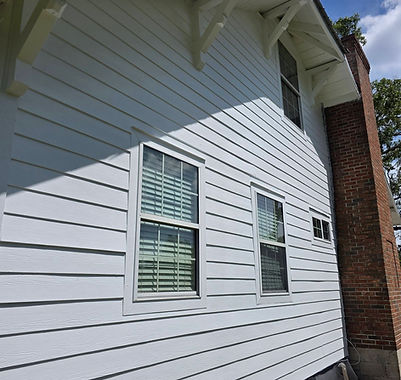


Expert Tips for Professional Home Painting
Painting your home can transform its look and feel, adding value and comfort. Whether you are refreshing a single room or tackling the entire house, professional home painting tips can help you achieve a smooth, long-lasting finish. This guide covers everything from preparation to cleanup, ensuring your project runs efficiently and looks stunning.
Essential Professional Home Painting Tips for Success
Preparation is the foundation of any successful painting project. Skipping this step can lead to uneven coverage, peeling, and wasted paint. Here are some key tips to get started:
Clean the surfaces thoroughly: Dirt, grease, and dust prevent paint from adhering properly. Use a mild detergent and water to wash walls, then let them dry completely.
Repair imperfections: Fill holes, cracks, and dents with spackle or wood filler. Sand the patched areas smooth to blend with the surrounding surface.
Protect your surroundings: Use painter’s tape to mask edges, trim, and fixtures. Cover floors and furniture with drop cloths or plastic sheeting.
Prime the walls: Applying a primer improves paint adhesion and ensures even color. Choose a primer suited to your surface type, such as drywall, wood, or metal.
Taking the time to prepare properly will save you headaches later and help your paint job last longer.

Choosing the Right Paint and Tools
Selecting the right paint and tools is crucial for a professional finish. Here’s what to consider:
Paint type: For interior walls, latex paint is popular due to its easy cleanup and durability. For high-moisture areas like bathrooms, use mold-resistant paint. Exterior paint should be weather-resistant and flexible.
Finish: Matte finishes hide imperfections but are less washable. Satin or eggshell finishes offer a slight sheen and are easier to clean. Semi-gloss and gloss finishes are durable and great for trim and doors.
Quality brushes and rollers: Invest in high-quality brushes with synthetic bristles for latex paint. Use rollers with the appropriate nap length—short nap for smooth surfaces, longer nap for textured walls.
Additional tools: Have a paint tray, extension pole, putty knife, sanding block, and ladder ready.
Using the right materials will make your work easier and the results more professional.
Step-by-Step Painting Process
Follow these steps to paint your home like a pro:
Prepare the room: Remove furniture or move it to the center and cover. Remove outlet covers and light switch plates.
Tape edges: Apply painter’s tape along trim, windows, and door frames.
Cut in edges: Use a brush to paint a 2-3 inch border around edges and corners.
Roll the walls: Use a roller to fill in the large areas, working in small sections with a “W” or “M” pattern for even coverage.
Apply multiple coats: Most walls require two coats for full coverage. Allow the first coat to dry completely before applying the second.
Remove tape carefully: Pull tape off at a 45-degree angle while the paint is still slightly wet to avoid peeling.
Touch up: Use a small brush to fix any missed spots or drips.
Patience and attention to detail during each step will ensure a flawless finish.

Tips for Painting Different Surfaces
Different surfaces require specific techniques and products:
Drywall: Use a high-quality primer and latex paint. Sand lightly between coats for smoothness.
Wood: Sand the surface well and use a stain-blocking primer if needed. Choose paint designed for wood to prevent cracking.
Metal: Clean rust and old paint thoroughly. Use a rust-inhibiting primer and paint formulated for metal.
Ceilings: Use flat or matte paint to hide imperfections. Use an extension pole for rollers to avoid neck strain.
Understanding the surface you are painting helps you select the right approach and materials.
Maintaining Your Painted Surfaces
Proper maintenance extends the life of your paint job:
Clean walls gently: Use a soft sponge and mild soap to remove dirt and stains.
Touch up promptly: Fix chips and scratches as soon as you notice them to prevent further damage.
Avoid harsh chemicals: These can damage paint finishes.
Inspect annually: Check for peeling or cracking and address issues early.
If you prefer to leave the work to experts, consider hiring professional painting services to ensure quality and durability.
Final Thoughts on Achieving a Professional Look
Painting your home can be a rewarding project when done right. By following these professional home painting tips, you can achieve a beautiful, lasting finish that enhances your living space. Remember, preparation, the right materials, and careful technique are key. Whether you tackle the job yourself or hire professionals, these insights will help you make informed decisions and enjoy the transformation of your home.


Comments