


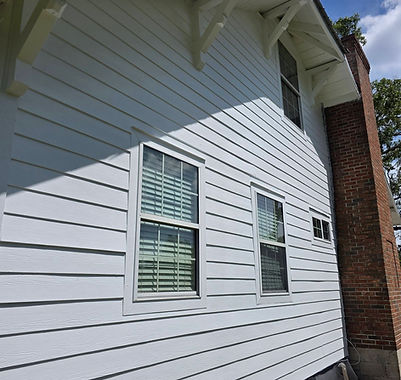


The Importance of Pressure Washing Before Your Exterior Painting Project
When planning an exterior painting project, many homeowners focus on picking the right colors or paint brands. Yet, the key to a paint job that lasts and looks great starts well before the brush touches the surface. The essential first step is professional pressure washing. This process cleans away years of buildup and prepares your home’s exterior for a fresh coat of paint that will adhere properly and stand the test of time.

What Accumulates on Exterior Surfaces Over Time
Homes face constant exposure to weather, pollution, and natural elements. Over time, this exposure causes several types of buildup on exterior surfaces:
Dirt and dust that settle and stick to walls
Mildew and mold that thrive in humid conditions
Algae and green staining, especially in shaded or damp areas
Chalky residue left behind by old, deteriorating paint
Pollutants and airborne debris carried by wind
If these contaminants remain on the surface, new paint will struggle to bond properly. This leads to problems such as peeling, bubbling, or uneven finishes, which shorten the lifespan of your paint job.
How Pressure Washing Enhances Paint Adhesion
Pressure washing removes all the dirt, mold, algae, and chalky residue that can prevent paint from sticking. By creating a clean, solid surface, it allows paint to adhere more strongly and evenly. The benefits include:
Stronger paint adhesion that reduces peeling and flaking
A smoother, more uniform finish without blotches or streaks
Longer-lasting paint that maintains its appearance for years
Prevention of costly repairs caused by premature paint failure
Skipping pressure washing often results in paint problems within just a few years, sometimes even months, forcing homeowners to repaint sooner than expected.
The Exterior Painting Process with Pressure Washing
A thorough preparation process is crucial for a successful paint job. Here is how professional painters typically include pressure washing in their workflow:
Chemical Pressure Washing
Professionals use specialized cleaners combined with pressure washing to break down stubborn mildew, algae, and dirt. These cleaners are chosen carefully to avoid damaging delicate surfaces like stucco, siding, or trim.
Rinse and Dry
After washing, the surface is rinsed thoroughly to remove all cleaning agents and loosened debris. The exterior is then allowed to dry completely. Painting on a wet surface can trap moisture and cause paint failure.
Surface Preparation
Once dry, painters scrape off any loose paint, sand rough areas, and repair minor cracks or damaged stucco. This step ensures the surface is smooth and ready for paint.
Sealing and Priming
If needed, masonry sealers or primers are applied. These products improve paint durability and help achieve a uniform color, especially on porous or repaired surfaces.
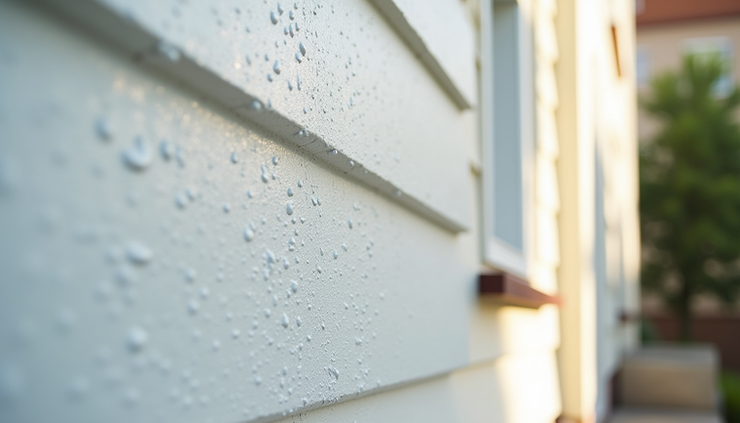
Why Homeowners Should Never Skip Pressure Washing
Some may think pressure washing is an optional extra, but it is a vital step that protects your investment. Without it, paint will not stick properly, leading to:
Early peeling and flaking
Uneven color and texture
Increased maintenance costs
Reduced curb appeal
Investing in professional pressure washing before painting saves money and effort in the long run by extending the life of your paint job.
Final Thoughts on Preparing Your Home for Painting
A beautiful, long-lasting exterior paint job depends on proper preparation. Pressure washing removes years of buildup and creates the ideal surface for paint to bond. This step prevents common problems like peeling and uneven finishes, ensuring your home looks fresh and protected for many years.


Comments