


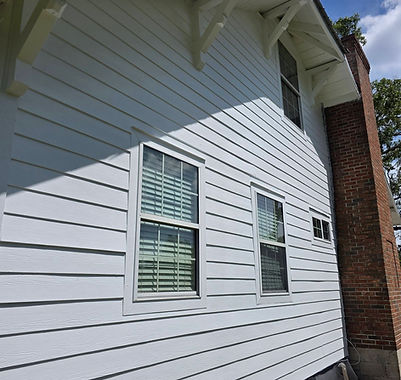


Transform Your Home with Interior Painting Expertise
- juliobautista31
- Aug 1, 2025
- 4 min read
Refreshing your living space can be as simple as a fresh coat of paint. Interior painting is one of the most effective ways to transform your home’s atmosphere, style, and value. Whether you want to brighten a dull room, create a cozy retreat, or add a splash of personality, painting your walls can make a significant difference. This guide will walk you through the essentials of home interior painting, helping you make informed decisions and achieve stunning results.
The Power of Home Interior Painting: Why It Matters
Painting your home’s interior is more than just a cosmetic upgrade. It influences mood, lighting, and even the perception of space. Choosing the right colors and finishes can enhance natural light, make rooms feel larger, and reflect your personal style.
For example, light colors like soft whites and pastels can open up small rooms, while darker shades add warmth and intimacy to larger spaces. Matte finishes hide imperfections, while glossy paints add a sleek, modern touch. Understanding these nuances helps you create the perfect ambiance for each room.
Additionally, painting protects your walls from wear and tear, moisture, and stains. It’s a cost-effective way to maintain your home’s condition and increase its resale value. A well-painted interior signals care and attention to detail, which appeals to potential buyers.

Essential Tips for Successful Home Interior Painting
Achieving a professional look requires preparation, the right tools, and proper techniques. Here are some practical tips to guide you through the process:
Prepare the Surface
Clean walls thoroughly to remove dust, grease, and old paint flakes. Fill holes and cracks with spackle, then sand smooth. Proper preparation ensures paint adheres well and lasts longer.
Choose Quality Paint and Tools
Invest in high-quality paint and brushes or rollers. Cheap materials often lead to uneven coverage and frequent touch-ups. Consider paint with low VOCs for better indoor air quality.
Test Colors First
Paint small patches on your walls and observe them at different times of day. Lighting can dramatically change how colors appear.
Use Painter’s Tape
Protect trim, ceilings, and edges with painter’s tape for clean lines. Remove the tape while the paint is still slightly wet to avoid peeling.
Apply Multiple Thin Coats
Instead of one thick coat, apply two or three thin layers. This prevents drips and ensures even coverage.
Ventilate the Room
Keep windows open and use fans to speed up drying and reduce paint fumes.
If you prefer to leave the work to professionals, consider hiring interior painting services to guarantee a flawless finish and save time.

Is it Cheaper to Hire a Painter or Do It Yourself?
Deciding whether to hire a professional painter or tackle the job yourself depends on several factors including budget, time, skill level, and the scope of the project.
DIY Painting Pros and Cons
Pros:
Lower upfront cost since you only pay for materials.
Flexibility to work on your own schedule.
Personal satisfaction from completing the project yourself.
Cons:
Time-consuming, especially for large areas or multiple rooms.
Risk of mistakes like uneven coverage, drips, or missed spots.
Additional costs if you need to buy or rent equipment.
Potential for injury or damage if you’re inexperienced.
Hiring a Professional Painter
Pros:
Expertise ensures a smooth, high-quality finish.
Faster completion with proper tools and techniques.
Professionals handle prep work, repairs, and cleanup.
Access to premium paints and finishes.
Cons:
Higher upfront cost.
Need to schedule and coordinate with the painter.
Cost Comparison Example
For a 12x12 room, DIY painting might cost around $100-$200 for paint and supplies. Hiring a professional could range from $300-$600 depending on location and complexity. If you value time and quality, hiring a painter is often worth the investment.

Choosing the Right Colors and Finishes for Your Home
Color selection is crucial in interior painting. It sets the tone and influences how you feel in a space. Here are some popular color choices and their effects:
Whites and Neutrals: Timeless and versatile, they create a clean, airy feel.
Blues and Greens: Calming and refreshing, ideal for bedrooms and bathrooms.
Warm Tones (Reds, Oranges, Yellows): Energizing and cozy, great for living rooms and kitchens.
Dark Colors: Sophisticated and dramatic, perfect for accent walls or formal spaces.
Finishes also matter:
Matte: Hides imperfections, good for ceilings and low-traffic areas.
Eggshell: Slight sheen, durable for living rooms and bedrooms.
Satin: Smooth and washable, ideal for kitchens and bathrooms.
Semi-gloss and Gloss: Reflective and easy to clean, best for trim and doors.
Consider the room’s lighting, size, and purpose when choosing colors and finishes. Use color swatches and sample pots to test before committing.
Enhancing Your Home’s Value with Interior Painting
A well-executed paint job can significantly boost your home’s market appeal. Fresh, neutral colors create a blank canvas that allows buyers to envision their own style. Painting also signals that the home has been well-maintained.
If you plan to sell, focus on high-impact areas like the living room, kitchen, and bathrooms. Avoid overly bold or personalized colors that might deter buyers. Instead, opt for warm neutrals or soft grays that appeal to a broad audience.
Regularly updating your paint can also protect your walls from damage and reduce the need for costly repairs. This maintenance helps preserve your home’s value over time.
Transforming your home with expert interior painting is a smart way to refresh your space, express your style, and protect your investment. Whether you choose to DIY or hire professionals, understanding the process and options will help you achieve beautiful, lasting results. For a flawless finish and peace of mind, consider trusted interior painting services that bring skill and experience to your project.


Comments